Gocator 2D Camera

Industrial Applications

Solve high-speed, high-mix inspection challenges across electronics, automotive, packaging, and more — powered by edge-native Gocator 2D cameras.

Tier 1 solution providers are looking for faster and better ways to solve applications such as barcode reading, part presence verification, weld inspection, and defect detection for components and assemblies in high-volume lines.

Industrial and medical device manufacturers are implementing more automated assembly to reduce labor burden by automating applications such as pin verification, solder inspection, contamination detection, feature inspection, and traceability for PCBs and high-density assemblies.

More and more warehousing companies are using 2D vision to automate label verification, part counting, color accuracy, and surface inspection for high-speed packaging, labeling, and assembly applications.

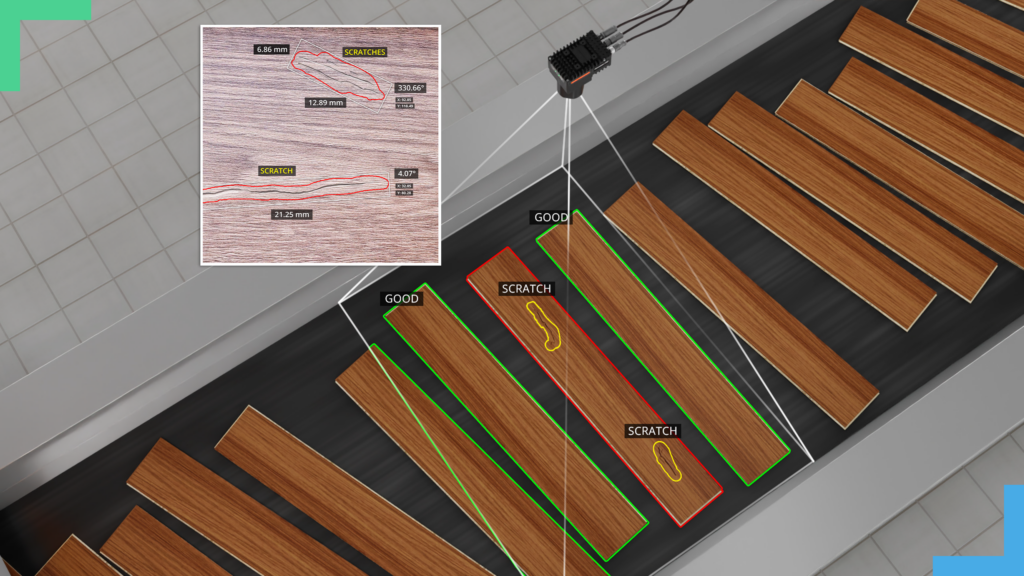
Manufacturers of composite flooring are actively adopting surface defect detection using AI-based algorithms.

Machines specializing in baking and meat processing include a pairing of 3D and 2D devices to evaluate surface texture, shape consistency, object count, color, and quality.
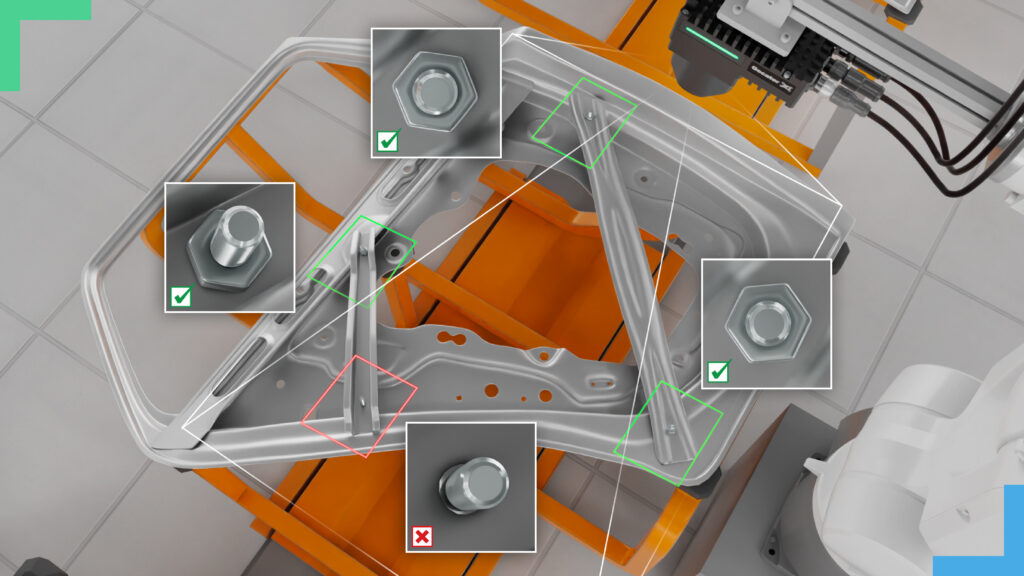
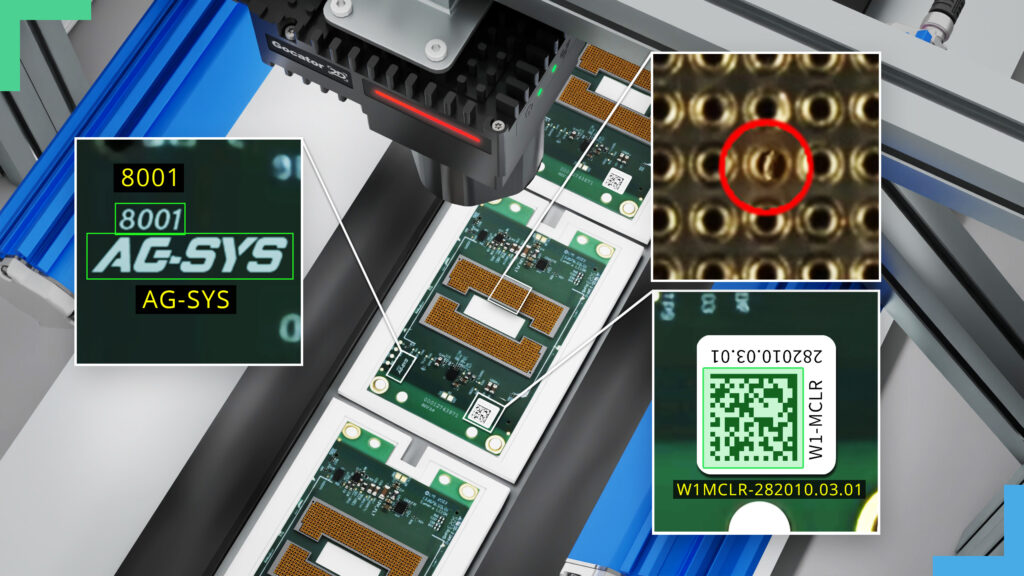
From microscopic PCB defects to barcode verification in automotive and inspection of reflective consumer goods, Gocator 2D offers robust, factory-ready performance where speed, accuracy, and traceability are essential. Its edge-native architecture runs deep learning AI inspection directly on-camera, cutting latency, simplifying deployment, and reducing total inspection cost.

Use Cases

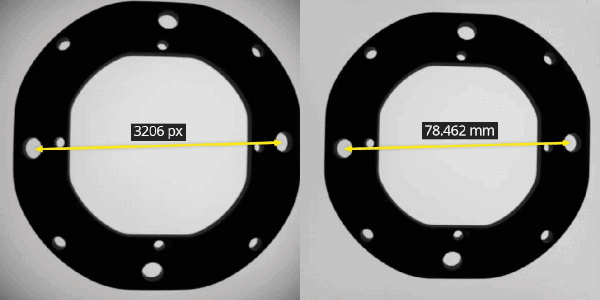
Remove lens distortion and measure in world units

Correct for lens barrelling and tilt from mounting, output measurements in millimeters

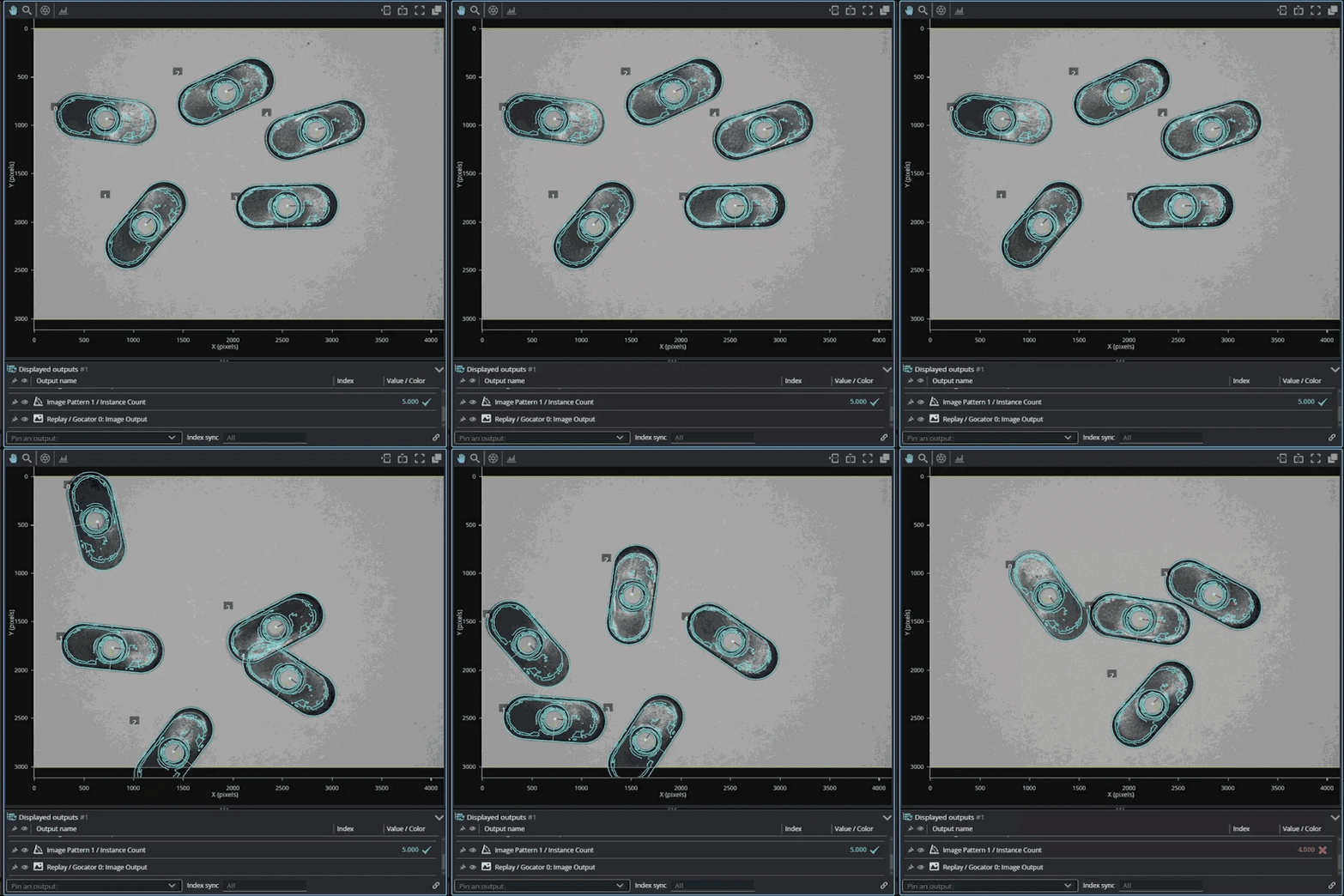
Locate patterns and count objects

Use pattern, blob, or AI feature detection to locate pins, ports, threads or other features.

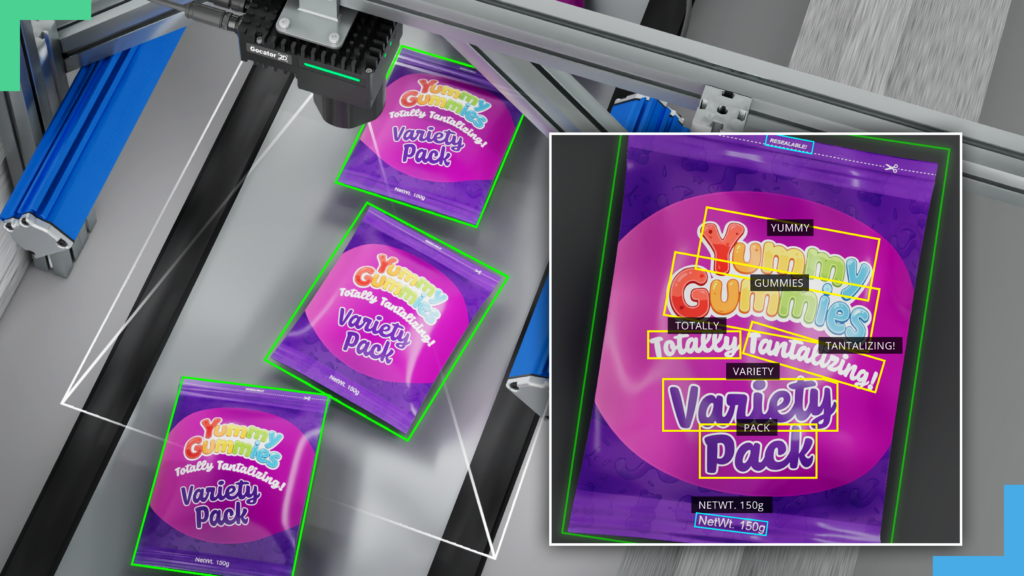
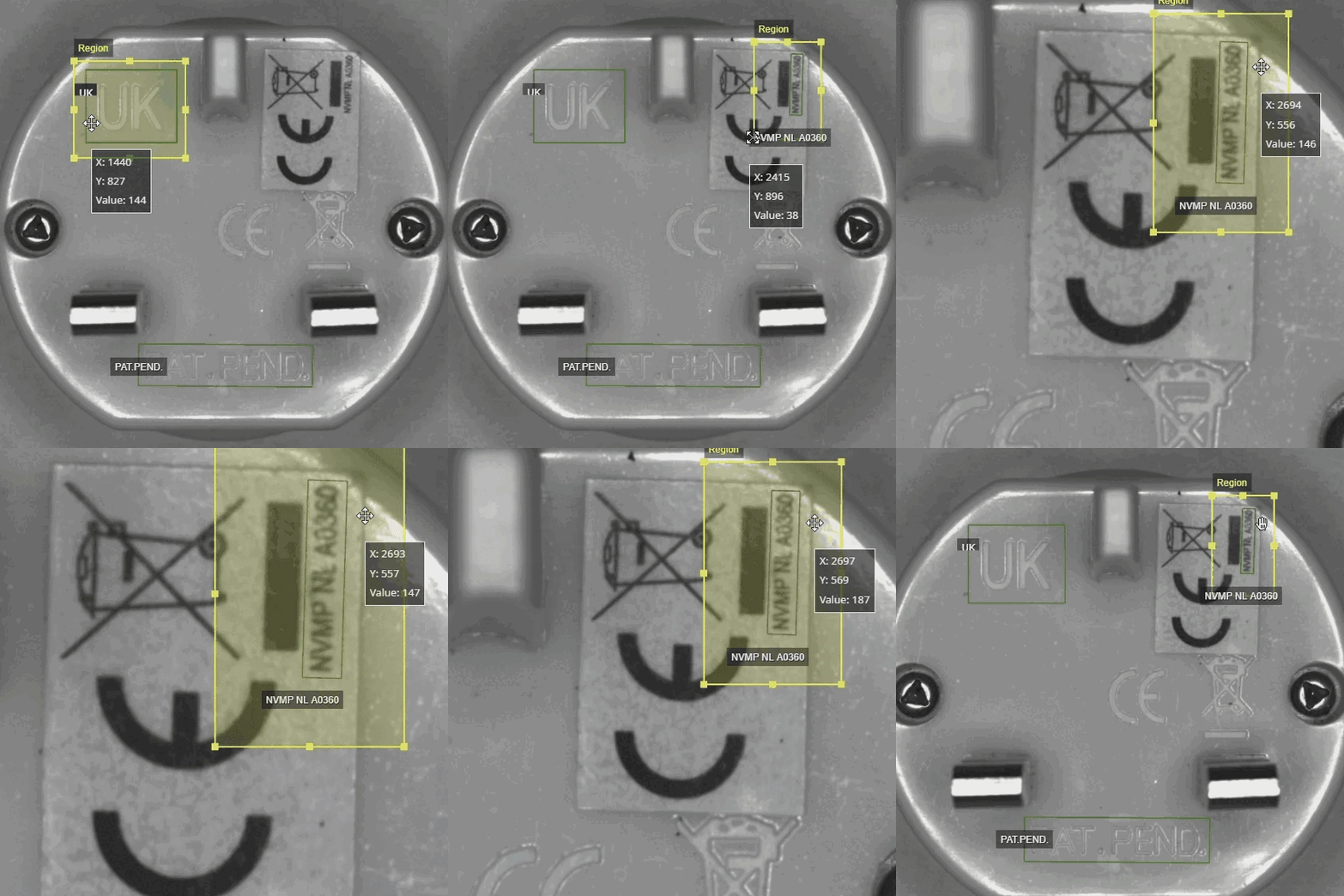
Read part labels and verify markings

Read markings with different backgrounds or fonts without adjusting the tool configuration.

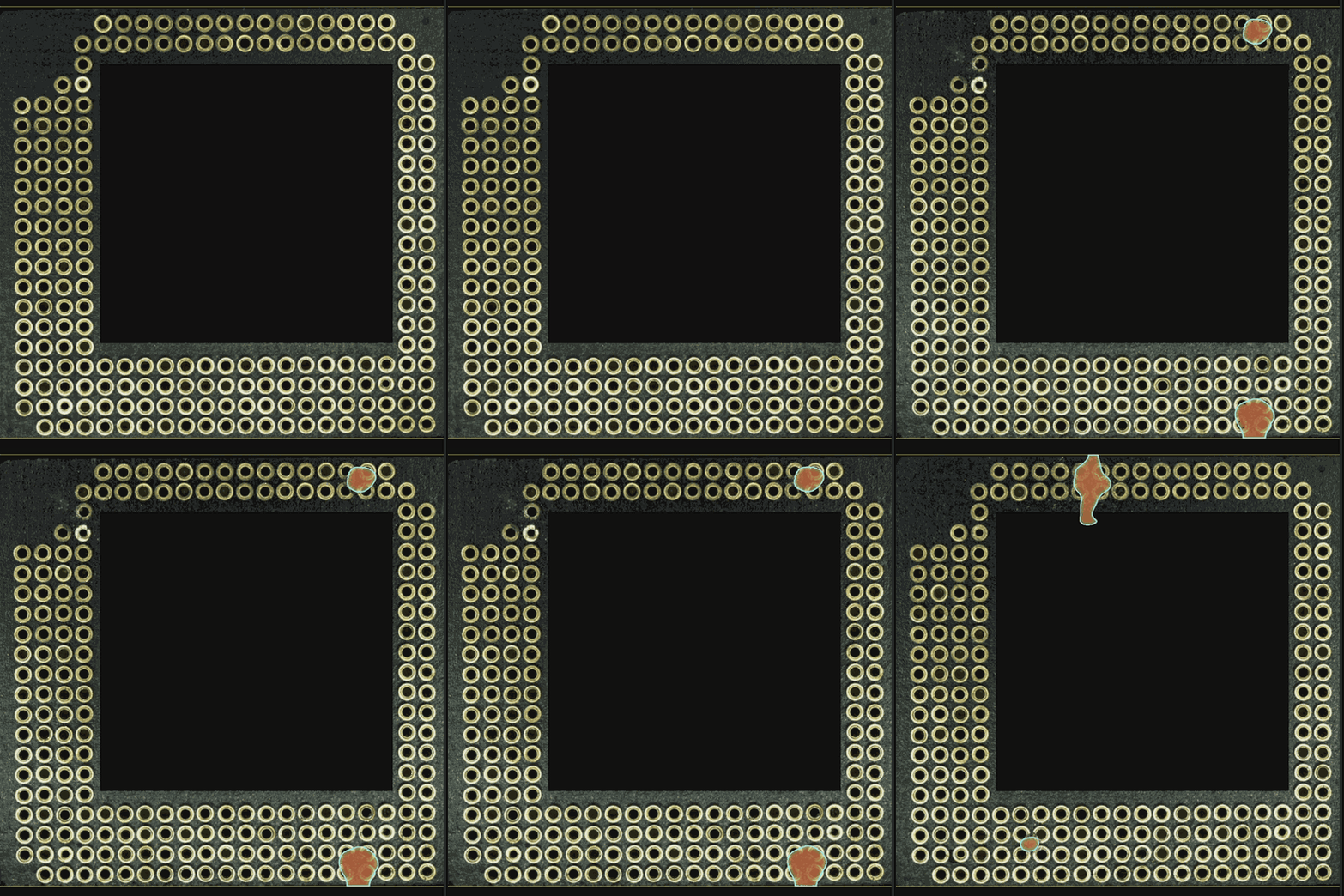
Detect cosmetic and organic defects

Detect surface flaws, contamination, missing features, or irregular shapes using color or high resolution monochrome images.

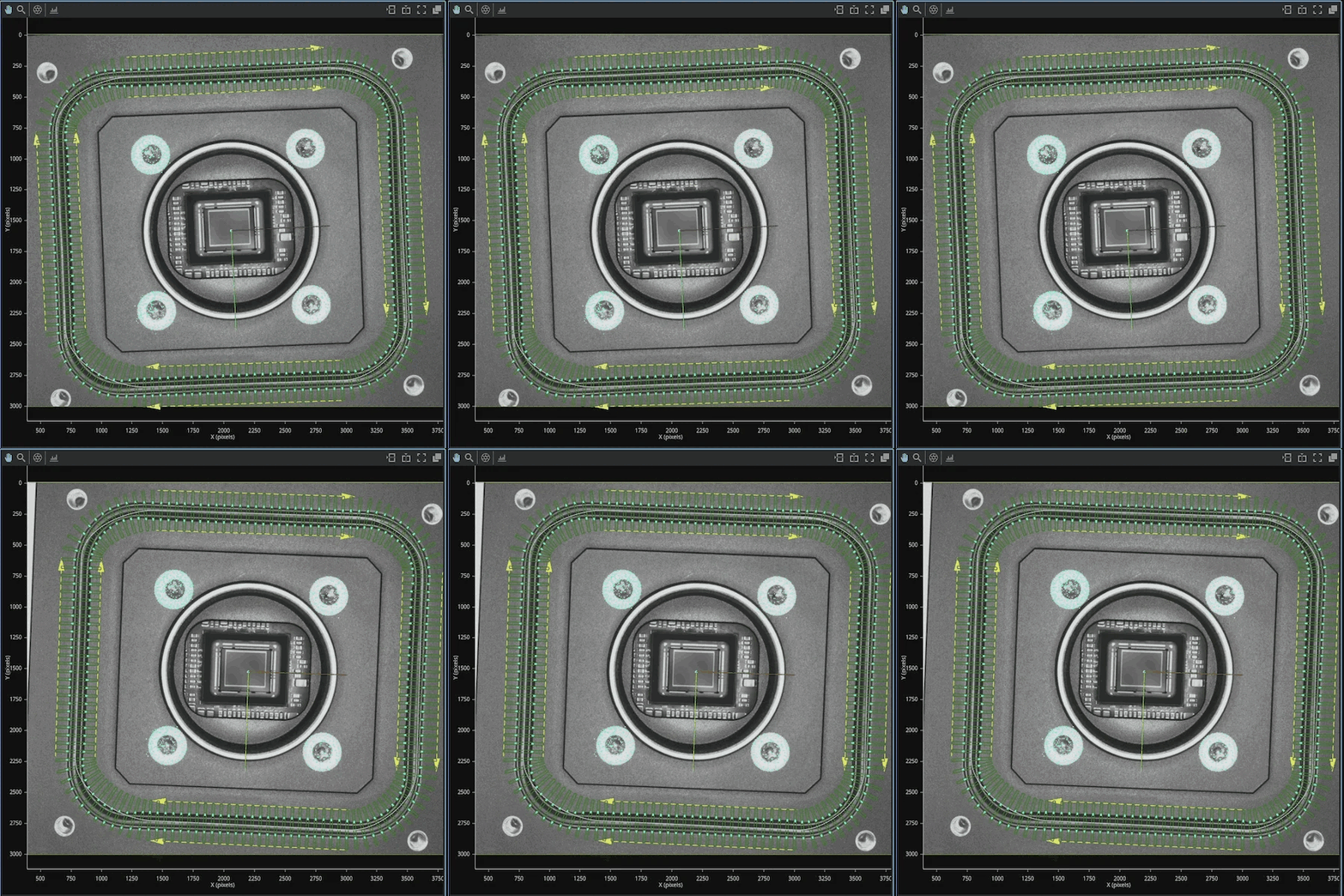
Measure gaps, beads and pipes

Define a complex track for dimensioning and finding minimum and maximum sections for reject or further inspection.